
Just Diagnosed With Hyperthyroidism or Graves Disease? Here’s What Happens Next
Follow on your favorite platform


You just left the doctor's office with a diagnosis you can barely pronounce, a lab printout that reads like a foreign language, and a phone that is fully prepared to Google "hyperthyroidism" at 1am. Don't. That is what this guide is for.
If you were just told you have hyperthyroidism, or specifically Graves disease, here is the calm, practical, here's-exactly-what-happens-next version. No internet spiral required.
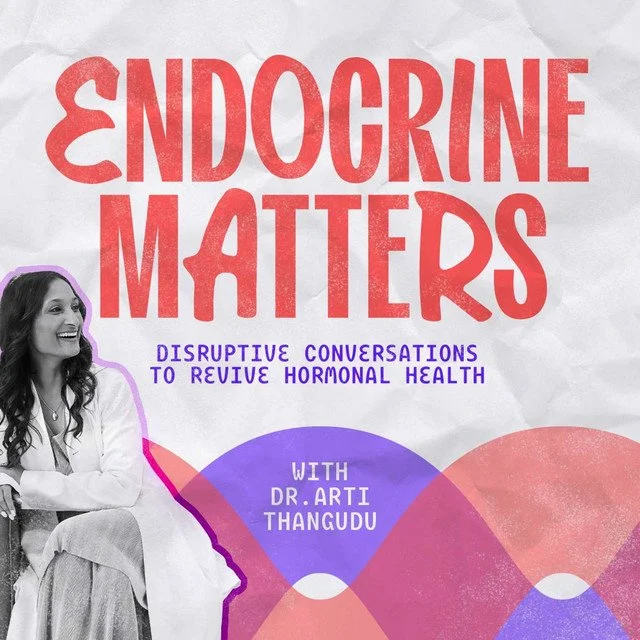
This week on Endocrine Matters, I walk through the whole map. Watch the full episode on my channel.
What Your Thyroid Does, And What Just Happened
Your thyroid is a small, beautiful, butterfly-shaped gland in your neck that essentially sets your body's engine speed.
Hyperthyroidism means that engine is revving too fast: too much thyroid hormone in circulation. You might have noticed a racing heart, trouble sleeping, feeling hot constantly, unintended weight loss, or shakiness and anxiety with no clear cause.
If you spent months assuming you were just stressed, you were not imagining it.
Your thyroid was quietly running hot the whole time. Graves disease is the most common cause: your immune system, normally your body's guard, gets confused and tells your thyroid to overproduce. Not malicious, just a case of mistaken identity with real consequences.
Why This Diagnosis Means It’s Time For An Endocrinologist
Endocrinologists are the only physicians with dedicated training in thyroid disease, so a diagnosis of hyperthyroidism, or a low TSH on labs, means it is time to see one.
Check board certification at certificationmatters.org and licensing through your state medical board before you read reviews.
And because endocrinology clinics run long waitlists, advocate for yourself: make sure the scheduling staff understands the urgency.
Untreated hyperthyroidism is genuinely dangerous, life-threatening even. Treated correctly and promptly, it does not have to be.
The Bloodwork, In Order
First, TSH: the signal from your brain telling your thyroid how hard to work. In hyperthyroidism, TSH is usually low, because your brain is trying to talk down an already overactive gland.
If TSH is low, your endocrinologist checks free T4 and total T3, the actual thyroid hormones, to confirm the diagnosis and gauge how much medication you will need.
To find the cause, they check TRAB and TSI, antibody tests that are highly accurate for identifying Graves specifically. When antibodies are not elevated, a thyroid uptake scan, essentially a heat map of the gland, distinguishes Graves from thyroiditis or a toxic nodule overproducing hormone on its own.
Both tests are painless and quick, and the distinction matters: thyroiditis typically resolves on its own, and a toxic nodule is treated by targeting the nodule, not the whole gland. The correct diagnosis is the treatment plan.
How Graves Disease Is Treated
Treatment usually starts with a medication that slows hormone production, monitored with regular blood tests; your endocrinologist adjusts the dose based on your levels, not guesswork.
If symptoms are significant, a beta blocker like atenolol may be added to manage them faster than the antithyroid medication can on its own.
Depending on your situation, radioactive iodine or, less commonly, surgery may enter the conversation down the road. Which path fits depends on your age, whether you are planning pregnancy, thyroid size, how you respond to the first medication, smoking status, and whether you have eye disease.
This is a conversation, not a default script, and it is entirely fair to ask your endocrinologist to explain the reasoning behind whichever option they recommend.
About a third of patients reach remission on medication alone; the rest typically need definitive therapy. Radioactive iodine sounds alarming, but it is a painless pill that gradually shuts down an overactive thyroid.
One important exception: if you have thyroid eye disease, radioactive iodine usually is not an option, since it can worsen it. Watch for eye symptoms, dryness, bulging, or double vision; Graves can affect the eyes independently of the thyroid itself and sometimes needs its own treatment plan alongside the rest.
Your 4-Item To-Do List
A diagnosis without a plan is just anxiety with extra steps, so here is the plan.
One: get follow-up labs scheduled before you leave the office or the portal thread; hyperthyroidism treatment is adjusted through regular blood work, not a single visit.
Two: know your red flags. A racing heart that will not settle, high fever, confusion, or extreme agitation can signal a rare but serious flare called thyroid storm; that is an emergency room visit, not a wait-and-see.
Three: ask your endocrinologist directly, why this treatment and not another? A good endocrinologist will have a specific answer and will bring you into the decision. It is your body, and if the answers feel thin, a second opinion is fair game.
Four: give your body time. Thyroid levels do not normalize overnight; most people feel more like themselves over weeks, not days.
And because antithyroid medications occasionally cause adverse reactions, allergic reactions, rash, or rarely liver or immune effects, make sure you have an endocrinologist you can actually reach between visits.
The Bottom Line
A hyperthyroidism or Graves diagnosis can feel like a lot to absorb in one appointment, but this is one of the best understood, best treated conditions in endocrinology. You are not walking into the unknown. Your care team has a map, and now so do you.
If you want an endocrinologist you can reach between visits, who explains the reasoning and brings you into every decision, THAT is what Complete Medicine was built for. Learn more here.
📍 Still have questions?
💬 Contact us and we'll be happy to help!
💌 Or join our newsletter to stay informed: Sign up here
FAQs
What does a low TSH mean? TSH is the brain's signal telling the thyroid how hard to work. A low TSH usually means the brain is trying to quiet an overactive thyroid, which points toward hyperthyroidism and triggers checks of free T4, total T3, and antibody tests.
What is the difference between hyperthyroidism and Graves disease? Hyperthyroidism is the state of too much thyroid hormone. Graves disease is its most common cause: an immune process that tells the thyroid to overproduce. Thyroiditis and toxic nodules can also cause hyperthyroidism, and each is treated differently.
How is Graves disease treated? Usually with antithyroid medication adjusted through regular labs, sometimes with a beta blocker for faster symptom relief. Radioactive iodine or surgery are options depending on age, pregnancy plans, thyroid size, response to medication, smoking status, and eye involvement. About a third of patients reach remission on medication alone.
What are thyroid storm symptoms? A racing heart that will not settle, high fever, confusion, or extreme agitation. Thyroid storm is rare but life-threatening and means an emergency room visit immediately, not a portal message.
Can Graves disease affect your eyes? Yes. Dryness, bulging, or double vision can occur independently of thyroid levels and sometimes need their own treatment plan. Thyroid eye disease also usually rules out radioactive iodine, which can worsen it.
How long until treatment makes me feel normal again? Weeks, not days. Levels normalize gradually with dose adjustments guided by blood work, and most people feel steadily more like themselves across the first weeks of treatment.
