
Post-Acute Hyperglycemia: Why Your Blood Sugar Spikes After Illness, Surgery, or Medications
Follow on your favorite platform



Have you noticed your blood sugar levels running high after surgery, an illness, or treatments like chemotherapy or steroids?
You’re not alone — and you’re not suddenly diabetic either.
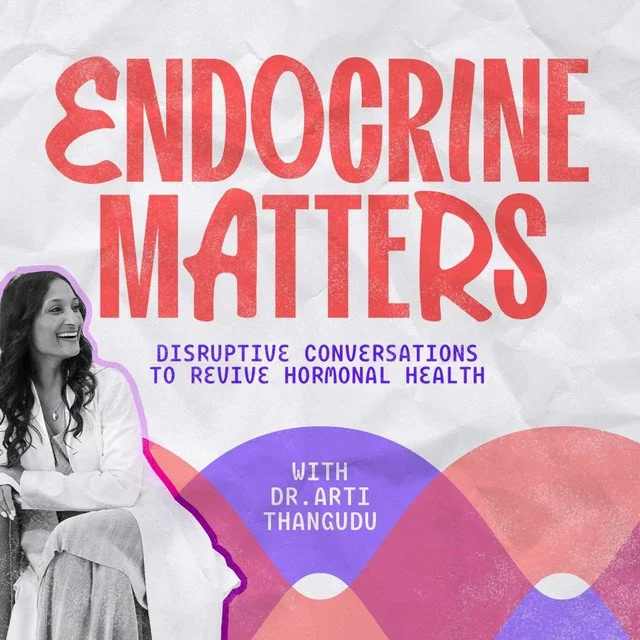
In our latest episode of Endocrine Matters, I’m joined by Dr. Vidhya Illuri and Dr. Munira Mehta to unpack post-acute hyperglycemia, a temporary but important condition that many patients — especially women — face during recovery.
🎧 Listen now: YouTube, Apple, Spotify
What is Post-Acute Hyperglycemia?
Post-acute hyperglycemia is a rise in blood glucose levels that occurs after a stressor — such as surgery, infection, or medications like steroids or immunosuppressants. It’s not quite the same as chronic diabetes, but it requires attention to avoid complications.
This is especially relevant for high-performing women who are navigating perimenopause, cancer treatment, or autoimmune conditions — all of which can intersect with blood sugar issues.
Why Does This Happen?
During times of physical stress, your body releases cortisol and other hormones that increase glucose production. Medications like steroids and chemotherapy can do the same. These responses are normal, but if your body can’t manage the spike, you may experience symptoms of high blood sugar — even if your hemoglobin A1c is in the normal range.
Symptoms of High Blood Sugar to Watch For:
Excessive thirst or urination
Blurry vision
Fatigue
Headaches
Delayed healing
If you’re wondering “What is a normal A1c level for a woman?” — the general target is under 5.7% for those without diabetes, and individualized goals for those managing it. But A1c doesn’t always tell the whole story, especially in acute situations.
When to Seek Care — Without the ER Runaround
The good news? Post-acute hyperglycemia is treatable — and often temporary.
At Complete Medicine, we specialize in direct care endocrinology, which means no waiting months for an appointment or being rushed out in 7 minutes. We get to know you, your labs, your lifestyle — and help you manage your blood sugars confidently at home.
No one should be left guessing whether their high blood sugar after surgery is normal or dangerous.
Key Takeaways:
✅ Post-acute hyperglycemia is common after surgery, steroids, or illness.
✅ It differs from chronic diabetes and may not reflect your usual A1c range.
✅ Know your body. Know your numbers. Get expert help early.
✅ With the right care, you can recover safely without frequent ER visits.
💻 Come see us in clinic: Complete Medicine | Endocrinology Care and Education
📰 Stay in the loop: Sign up for our newsletter
🎙️ Listen to more empowering hormone and metabolism conversations: Endocrine Matters Podcast